





What size pure sine wave inverter does my RV need?
- 1. How Do I Accurately Determine the Total Wattage of Appliances in My RV?
- 2. What Is the Recommended Surge Capacity for an Inverter to Safely Handle Appliance Start-Up Loads?
- 3. How Do I Match the Inverter's Voltage to My RV's Battery System?
- 4. What Are the Key Differences Between Pure Sine Wave and Modified Sine Wave Inverters, and Which Is Better for RV Use?
- 5. How Do I Calculate the Appropriate Inverter Size Based on My RV's Power Consumption?
- 6. What Are Some Top-Rated Pure Sine Wave Inverters Suitable for RVs?
1. How Do I Accurately Determine the Total Wattage of Appliances in My RV?
Calculating the total wattage of your RV's appliances is crucial for selecting an appropriately sized pure sine wave inverter. Begin by listing all devices you intend to power, noting their individual wattage requirements, which are typically found on the appliance's label or in the user manual. For instance, a microwave may require 1,000 watts, while a refrigerator might need 500 watts. Sum these values to determine your total continuous wattage. Additionally, account for surge watts—temporary power spikes that occur when certain appliances start up, such as air conditioners or refrigerators. These surges can be significantly higher than the running wattage, so it's essential to include them in your calculations to ensure your inverter can handle these peaks without issue.
2. What Is the Recommended Surge Capacity for an Inverter to Safely Handle Appliance Start-Up Loads?
Surge capacity refers to the maximum power an inverter can supply during the initial start-up of appliances, which often require more power than their continuous running wattage. To ensure your inverter can handle these surges, it's advisable to select an inverter with a surge capacity that exceeds the combined surge requirements of your appliances. For example, if your appliances collectively require 3,000 watts to start, an inverter with a surge capacity of at least 3,500 to 4,000 watts would be appropriate. This extra headroom helps prevent overloading and potential damage to both the inverter and your appliances.
3. How Do I Match the Inverter's Voltage to My RV's Battery System?
The voltage of your inverter should correspond with your RV's battery bank to ensure efficient power conversion and minimize energy loss. Common RV battery systems include 12V, 24V, and 48V configurations. For instance, if your RV operates on a 12V battery system, a 12V inverter is suitable. However, higher voltage systems like 24V or 48V can be more efficient for larger power needs, as they reduce the current draw and allow for thinner wiring. It's essential to choose an inverter that matches your battery system's voltage to maintain system compatibility and performance.
4. What Are the Key Differences Between Pure Sine Wave and Modified Sine Wave Inverters, and Which Is Better for RV Use?
Pure sine wave inverters produce an output that closely resembles the smooth, consistent waveform of utility-supplied electricity, making them ideal for powering sensitive electronics like laptops, medical devices, and high-end audio equipment. They also operate more efficiently, reducing the risk of appliance overheating. In contrast, modified sine wave inverters generate a more jagged waveform, which can cause interference with electronic devices and may lead to inefficiencies or potential damage over time. Given the prevalence of sensitive electronics in modern RVs, pure sine wave inverters are generally the preferred choice for RV applications.
5. How Do I Calculate the Appropriate Inverter Size Based on My RV's Power Consumption?
To determine the right inverter size, first calculate the total continuous wattage of all appliances you plan to run simultaneously. Then, add a safety margin—typically 20-30%—to account for unexpected power surges and to ensure the inverter operates within its optimal efficiency range. For example, if your total continuous wattage is 2,000 watts, selecting an inverter rated between 2,400 to 2,600 watts would provide adequate capacity. This approach helps prevent overloading and ensures reliable power supply during your RV adventures.
6. What Are Some Top-Rated Pure Sine Wave Inverters Suitable for RVs?
When selecting a pure sine wave inverter for your RV, consider the following top-rated options known for their reliability and performance:
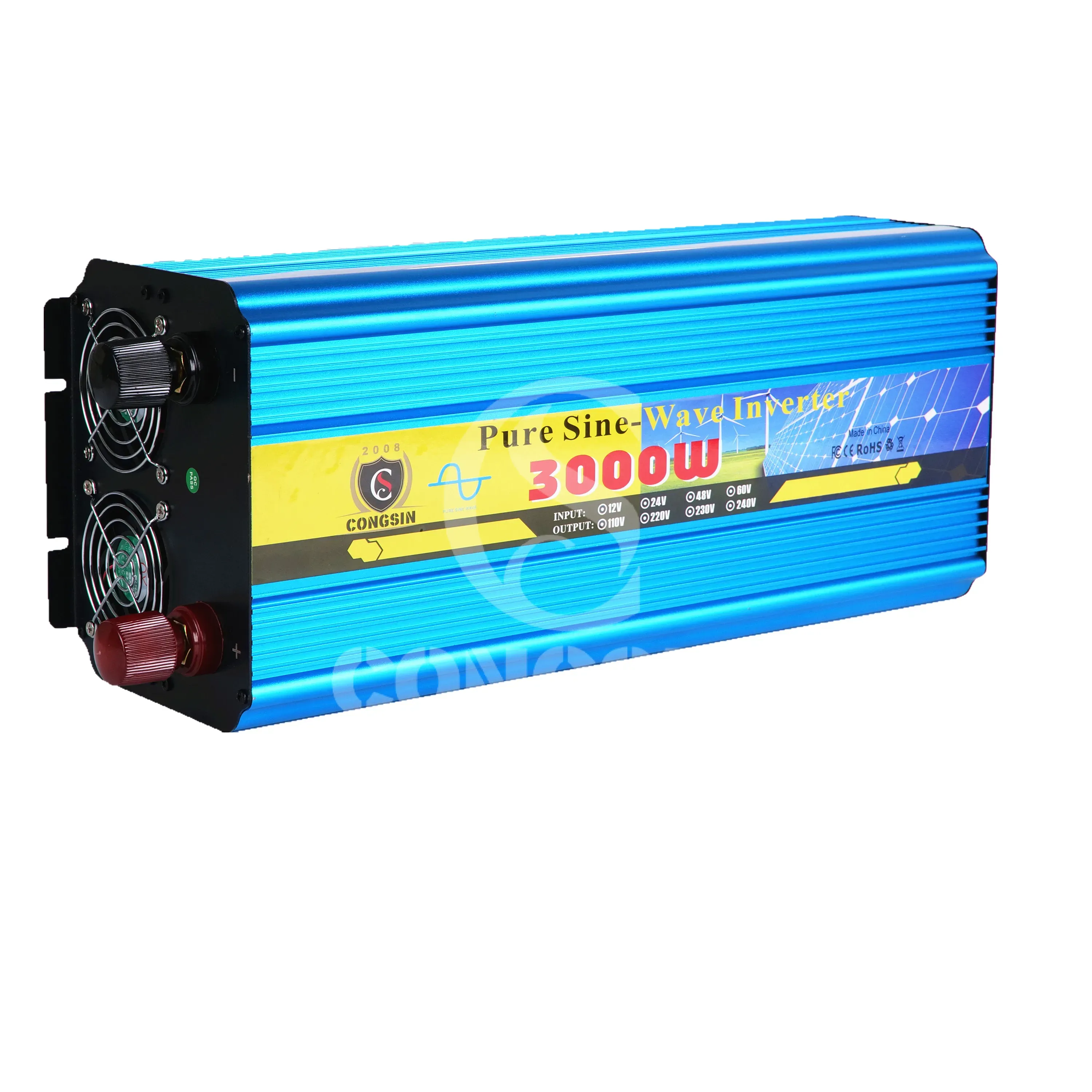
Victron Energy MultiPlus 3000W: This inverter offers a 3,000-watt capacity, suitable for most RVs, and includes features like a power assist function and quiet operation.
Giandel 2200W Pure Sine Wave Inverter: A compact yet powerful inverter ideal for RVs with moderate power needs, providing 2,200 watts of continuous power.
Xantrex Prowatt SW2000: Known for its efficiency and affordability, this 2,000-watt inverter is a solid choice for RVers seeking reliable power.
BELTTT 1500W Pure Sine Wave Inverter: A budget-friendly option that delivers 1,500 watts of continuous power, suitable for light to moderate RV use.
Renogy Inverter PUH 3000W: A versatile inverter with a 3,000-watt capacity, featuring a UPS transfer switch and Bluetooth control for enhanced convenience.
Selecting the right inverter involves understanding your RV's power requirements, matching the inverter to your battery system, and choosing a model that offers the necessary surge capacity and efficiency for your needs. By carefully considering these factors, you can ensure a reliable and efficient power supply for your RV adventures.
For personalized assistance and to receive a tailored quote, please contact us at info@csinverter.com or visit our website at www.csinverter.com.


Modified Sine Wave Inverters
Which regional plugs are supported by the universal socket?
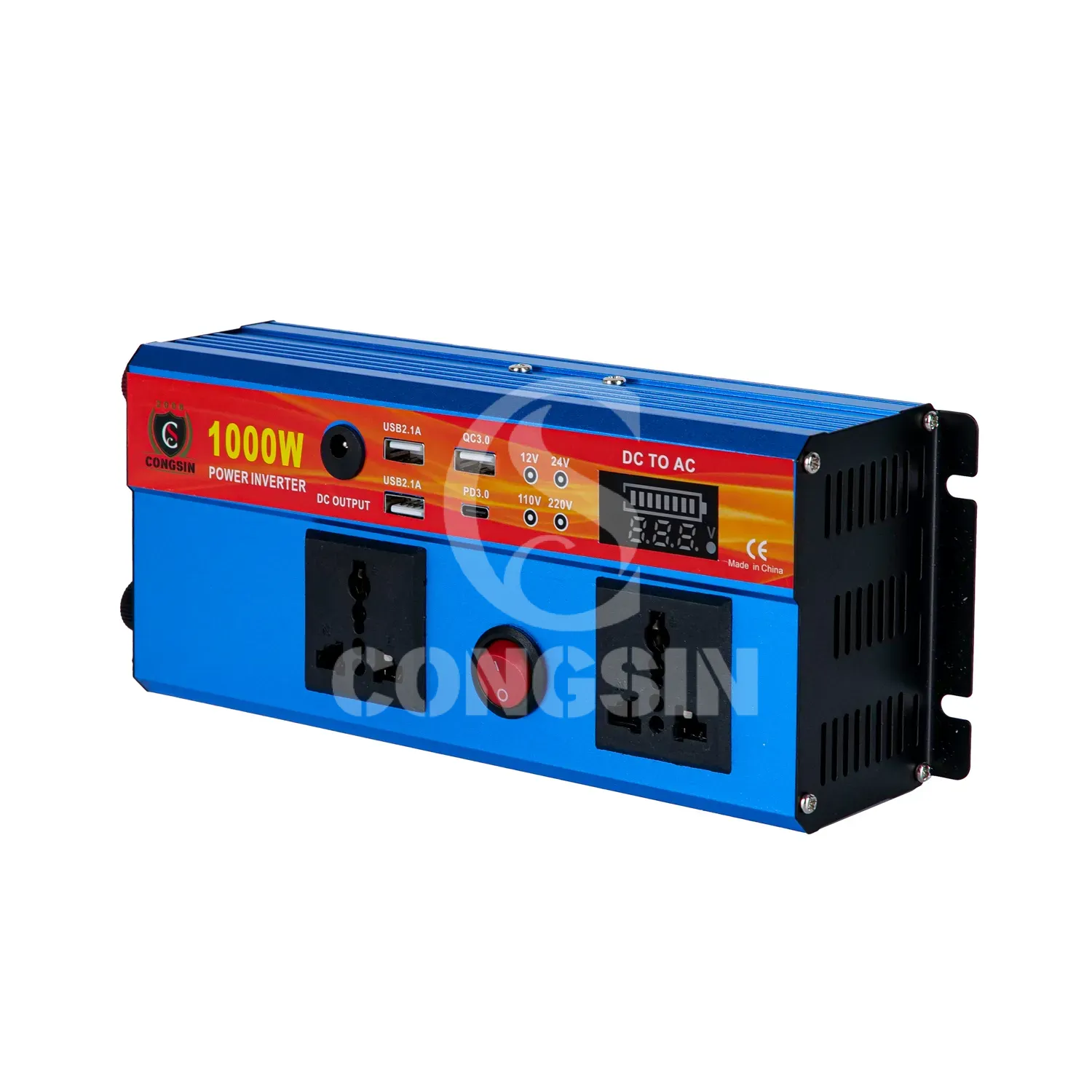
The universal socket is compatible with most national plug specifications, such as GB, US, EU, etc. (some require adapters), and can meet the use of devices in different regions.
Can other input voltages be customized?
Yes, the regular is DC12V, and DC24V, etc. can be customized. Please consult customer service for details.
How to connect the battery with the battery clip?
Connect the positive and negative poles of the battery clip to the positive and negative poles of the battery respectively, and ensure a firm connection.
What capacity battery can be used with it?
It is recommended to use a 12V 100Ah-200Ah lead-acid battery or lithium battery; the larger the battery capacity, the longer the UPS power supply time (e.g., a 100Ah battery can support a 100W device to work continuously for about 10 hours).
Pure Sine Wave Inverters
Does it include protection features?
Yes, it has sixfold safety protection for reliable performance.
Get in Touch with Our Team
You can also communicate with us directly through our online contact form. Please fill in the following information, and our team will contact you as soon as possible after receiving your message.

CONGSIN is a trusted OEM factory for power inverters, solar charge controllers, and DC converters. Reliable solutions for global B2B buyers.
 High Quality
 7/24 Service
 Guaranteed Warranty
© 2025 Congsin. All Rights Reserved.